01302 203 888
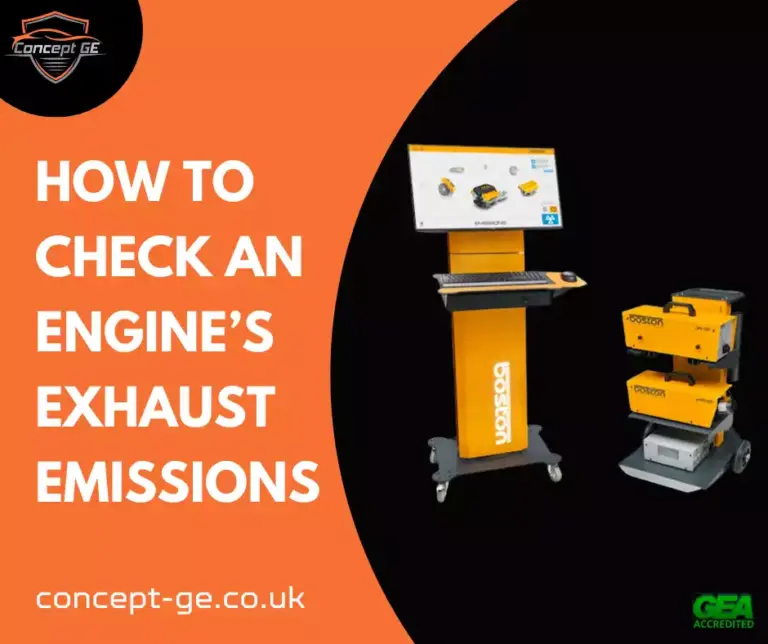
Every vehicle with an internal combustion engine produces exhaust emissions. Monitoring these emissions is essential for protecting air quality, maintaining engine performance and ensuring vehicles meet UK legal requirements. Whether you’re carrying out a routine car emissions check, preparing a vehicle for its MOT or diagnosing an engine fault, accurate emissions testing is an essential part of vehicle maintenance.
For garages and MOT testing stations, using calibrated emissions testing equipment ensures reliable results while helping technicians identify engine issues before they become costly repairs.
In this guide, we’ll explain how to check an engine’s exhaust emissions, the differences between petrol and diesel testing, and the equipment required to perform an accurate emissions check.
An exhaust emissions test measures the gases released from a vehicle’s exhaust system to determine whether the engine is operating efficiently and within legal environmental limits.
High emissions can indicate problems such as:
During an MOT, vehicles must pass an emissions test to comply with DVSA requirements. If emissions exceed the permitted limits, the vehicle will fail until the underlying fault has been repaired.
Want to understand more about emissions testers in MOT testing? Read our guide to emissions testers in ensuring vehicle environmental compliance.
Petrol vehicles are tested using an exhaust gas analyser, which samples gases directly from the exhaust pipe.
A petrol analyser measures:
These readings provide valuable insight into combustion efficiency.
Diesel vehicles are tested differently. Rather than measuring combustion gases in the same way as petrol vehicles, a diesel emissions check measures smoke opacity, which is the amount of light blocked by exhaust smoke during acceleration.
Excessive smoke often indicates:
Many garages choose a combined emissions analyser, allowing technicians to test both petrol and diesel vehicles using a single workstation. These systems are particularly useful for busy workshops and MOT bays, reducing equipment requirements while providing complete emissions testing capability.
Although testing procedures vary depending on the vehicle and equipment, the overall process follows the same principles.
The engine should be at normal operating temperature before testing as a cold engine produces higher emissions and can generate inaccurate results.
The analyser probe is inserted securely into the vehicle’s exhaust pipe. Some modern emissions analysers also connect to the vehicle via OBD to obtain engine speed and other operating data automatically.
For petrol vehicles, the analyser records gas concentrations while the engine runs at specified idle and fast-idle speeds.
For diesel vehicles, the smoke meter performs an opacity test during controlled engine acceleration.
The equipment automatically records measurements and compares them against the required limits.
The analyser produces a report showing whether the vehicle has passed or failed. If readings fall outside acceptable limits, technicians can use the data to diagnose engine or emissions system faults before retesting.
A failed vehicle emissions check doesn’t always indicate a major repair. Common causes include:
Using an emissions analyser allows technicians to pinpoint many of these faults quickly, reducing diagnostic time and improving repair accuracy.
Accurate emissions testing benefits both garages and motorists by:
Whether you’re equipping a new workshop or upgrading an existing MOT bay, selecting the right emissions tester is vital. Choosing high-quality garage equipment helps improve efficiency while ensuring accurate, repeatable test results.
Whether you need a petrol exhaust gas analyser, diesel smoke meter or a combined emissions analyser, Concept Garage Equipment can help you choose the right solution for your workshop.
Call our friendly team today on 01302 203 888 or use the online contact form.