01302 203 888
01302 203 888
Free Delivery on all orders

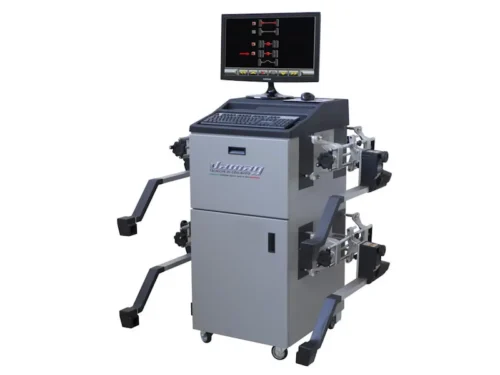
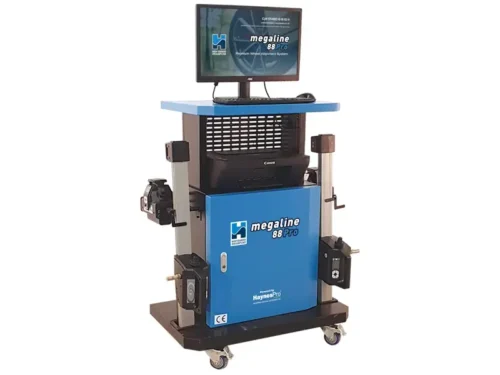
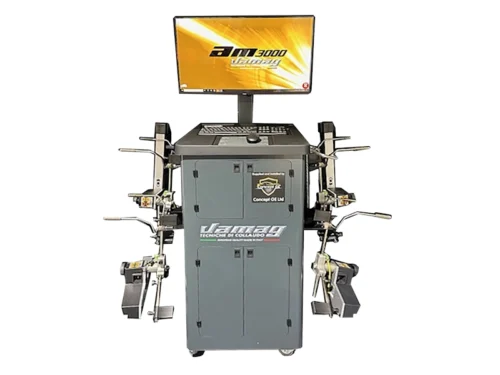
Concept Garage Equipment supplies a range of Wheel Alignment Machines ranging from our budget Laser Wheel Aligners and Trolley Based Laser Aligners, up to our top-quality Hofmann Megaplan Pro CCD Wheel Alignment Machines for cars and commercial vehicles, all top quality brands and made to last! We can also advise and supply custom-built garage and MOT Bay packages that include wheel aligners along with all other equipment and tools that could be needed to build your garage or MOT Bay into a competition-beating money-making machine. For any advice or to discuss our range of garage wheel aligners or other Garage Tyre Machine Package requirements please call us today on 01302 203 888.
To find out how much money your garage could be making by offering wheel alignment, use our simple wheel alignment profit calculator.
We won’t be beaten on customer service, and more often than not we also won’t be beaten on price!
Showing all 5 results

Delivery and Training
A wheel aligner is a mechanical device or machine used to align the wheels of a vehicle. Some wheel aligners are simple lasers that are bolted to a vehicle wheel and shine a straight laser line to the other wheel on that side of the vehicle to assess whether the wheels are in line. Other more advanced wheel aligners, often called CCD aligners, use a combination of lasers, cameras and computer-controlled software to make accurate measurements of the wheel positions both against each other and to the manufacturer's recommendations, usually stored in a database as part of the wheel aligner software program.
Wheel alignment sometimes referred to as wheel tracking, is part of the standard car and vehicle maintenance that consists of adjusting the angles of wheels to the car manufacturer's specifications.
The purpose of making these adjustments is to reduce tyre wear and to ensure that the vehicle travels in a straight line, keeping the steering wheel straight without pulling to one side or the other.
This is important for maintaining the vehicle and keeping it running smoothly. Wheel alignment can help improve fuel economy, as well as prolong the life of the vehicle tyres, as incorrect wheel alignment or tracking can cause excessive tyre wear on one side.
Motorsport and off-road vehicles may require alignment angles to be adjusted well beyond the normal manufacturer recommendations, and you would not use a standard vehicle wheel aligner for these exceptions.
Wheel alignment is the adjustment of a vehicle's suspension components. The most common adjustments are to the caster, camber and toe angles. However, other adjustments can be made to the vehicle's suspension. The purpose of these adjustments is to reduce tyre wear and to ensure that vehicle travels in a straight line without excess force pulling to one side or another.
It is generally recommended to get a wheel alignment at least once a year.
The correct wheel aligner depends on a number of factors:
No matter which wheel alignment machine you choose, it is important to have it calibrated and maintained in line with the equipment service and repair schedule for that machine, to ensure accuracy. You should also have it used by a qualified technician who knows how to use the machine properly.
Here are some additional factors to consider when choosing a wheel alignment machine:
If you wish to discuss your wheel aligner requirements we can help you decide on the best wheel aligner for your garage or MOT Bay, please contact us on 01302 203 888.
There are several kinds of wheel alignment machines, the most popular being:
Some manufacturers now also offer drive through wheel alignment machines, which are the fastest and least "hands-on" aligners on the market today, but these do come at a premium as the highest priced alignment equipment on the market.
When it comes to coverage, 2-wheel alignment machines primarily focus on adjusting the front wheels, typically measuring the front toe and thrust angle. These are often more compact and cost-effective machines, making them suitable for basic alignment checks or for workshops with limited space or specific service needs.
For a complete and thorough adjustment, however, a 4-wheel alignment machine is the preferred wheel alignment equipment to use. This system ensures that both front and rear axles are precisely aligned, optimising overall vehicle dynamics, preventing premature tyre wear on all four tyres, and ensuring the vehicle tyres are planted firmly on the ground at all times.