01302 203 888
Free Delivery on all orders

A diagnostic machine, also known as an OBD or scanner tool, connects to a vehicle’s electronic systems to identify faults, monitor live data, and evaluate overall system health. From engines to brakes, transmissions, and batteries, these machines give mechanics the information needed to quickly and accurately diagnose issues. Modern garages rely on these tools for efficiency, accuracy, preventive maintenance, and regulatory compliance.
Key Takeaways:
A diagnostic machine is a tool that connects to a vehicle’s onboard computer system (ECU) through the OBD or OBD2 port. It reads information from sensors, control modules, and other electronic systems to identify faults.
Modern vehicles rely heavily on electronic control, making diagnostic tools vital for accurate fault detection and effective repairs.
Fast & Accurate Fault Detection
Diagnostic machines provide precise fault codes, allowing mechanics to pinpoint problems quickly and efficiently.
Comprehensive System Checks
From brakes, sensors and battery systems, diagnostic tools give a complete view of the vehicle’s health.
Preventive Maintenance & Compliance
They can detect minor issues before they escalate. For garages and MOT bays, these tools are crucial for ensuring vehicles meet safety and emissions standards.
| Type | Use/Purpose |
| OBD2 Scanners | Used to scan Diagnostic Trouble Codes (DTC) on all modern cars and vehicles. |
| OBD1 Scanners | Used to scan Diagnostic Trouble Codes (DTC) on older vehicles that aren’t OBD2 compatible. |
| Tyre Pressure Monitoring Systems (TPMS) | Monitors tyre pressure and performance. |
| Circuit Testers and Multimeters | Diagnose electrical systems by testing voltage, resistance and continuity. |
| Car Battery Testers | Assess battery health, charge and performance. |
Although the names are used interchangeably, an OBD2 reader is a basic diagnostic tool that can read and display diagnostic trouble codes (DTCs) from a car’s OBD2 port whereas, an OBD2 diagnostic scanner is a more advanced diagnostic tool that can do everything a code reader can do, it can also:
In general, OBD2 scanners are more expensive than OBD2 readers, but they offer more features and functionality.
Here is a table that summarises the key differences between OBD2 readers and diagnostic scanners:
| Feature | OBD2 Reader | OBD2 Scanner |
|---|---|---|
| Reads DTCs | Yes | Yes |
| Clears DTCs | Yes | Yes |
| Reads pending DTCs | No | Yes |
| Reads manufacturer-specific DTCs | No | Yes |
| Displays real-time data | No | Yes |
| Performs diagnostic tests | No | Yes |
| Graphs and records data | No | Yes |
Which type of diagnostic tool you need depends on your needs and budget. If you are just looking for a basic way to read and clear DTCs, then an OBD2 reader is a good option. However, if you run a garage and you need more advanced features, such as the ability to read pending and manufacturer-specific DTCs, display real-time data, or perform diagnostic tests, then you should consider an OBD2 scanner.
When selecting a diagnostic machine, consider:
Modern vehicles are increasingly complex and reliant on electronic systems. Diagnostic machines provide access to hidden systems, offering real-time data, fault codes, and system health insights. Making them indispensable pieces of garage equipment in today’s professional garages.
Diagnostic Trouble Codes (DTCs) are alphanumeric codes defined for each car by the vehicle manufacturer that are generated by a vehicle’s onboard diagnostic (OBD) system to identify malfunctions in the vehicle’s emissions control system or other major components. DTCs can be set by a variety of sensors and actuators throughout the vehicle, and they can be used to diagnose a wide range of problems, from minor issues such as a loose fuel cap to more serious problems such as a faulty engine sensor.
DTCs are typically displayed on the vehicle’s dashboard warning light, which is often referred to as the “check engine light.” However, some vehicles may also have a dedicated DTC display, or the DTCs may be accessible only with a diagnostic scanner.
Once a DTC has been set, it can be cleared by fixing the underlying problem and then resetting the OBD system. However, it is important to note that some DTCs may remain set even after the problem has been fixed. This is because the OBD system may need to run a series of tests to confirm that the problem has been resolved.
It is important to note that DTCs can vary depending on the make and model of the vehicle. You must ensure you have the correct diagnostic scanner machine that is suitable for the specific make and model of vehicle you are working on, but if you are unsure before purchasing a diagnostic scanning tool, then talk to your supplier or call Concept Garage Equipment to advise you on the correct diagnostic tool for your requirements.
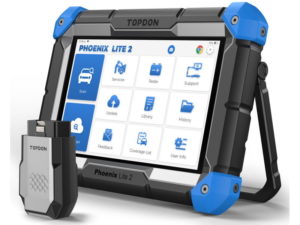
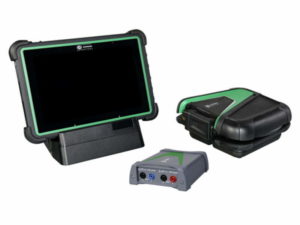
When moving beyond basic code readers (OBD2 scanners) to professional-grade equipment, you are looking for tablet-style diagnostic machines capable of full system diagnostics, coding, and service resets. The major players in the UK market are currently:
These brands set the standard for deep diagnostics, long-term reliability, and often come with OEM-level capabilities, making them fixtures in high-throughput workshops.
This tier includes newer brands that offer comparable diagnostic depth and bi-directional control to the established leaders, often with highly competitive pricing and better long-term update policies. This is where brands like TOPDON shine.
For a professional mechanic, the right scanner is an investment, not a cost. To ensure you select the best diagnostic tool for your garage, focus on these critical factors:
Our expert team will be happy to help you find your perfect diagnostic tool from our stock of leading manufacturers including TOPDON UK, Bosch and Otofix.
Call us today on 01302 203 888 or use the website contact form.